International Regulatory Adjustments Redefine Incentive Mechanisms in Cross-Jurisdictional Online Gaming Networks
David Lang · Sep 7, 2026
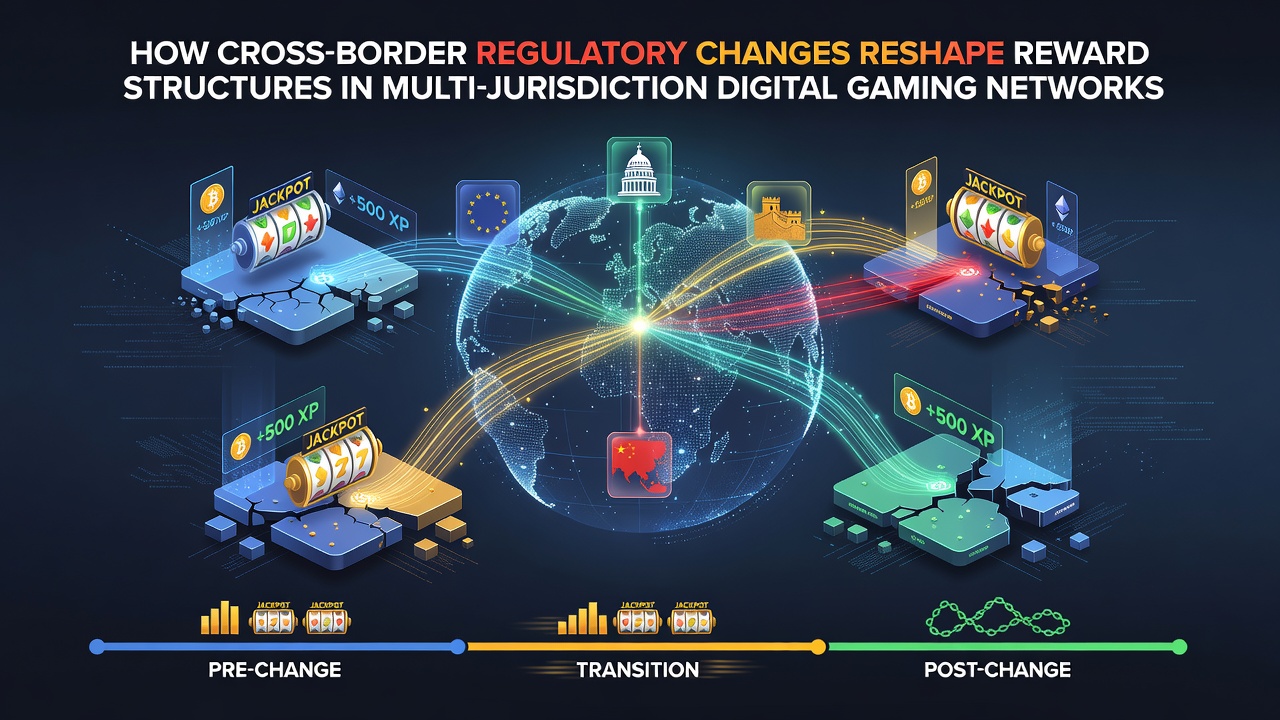
International Regulatory Adjustments Redefine Incentive Mechanisms in Cross-Jurisdictional Online Gaming Networks
Cross-border regulatory developments have begun to alter how digital gaming platforms structure player rewards across different regions, and operators must navigate varying rules on bonuses, loyalty points, and promotional offers. Data from industry monitoring services indicates that platforms serving users in the European Union, North America, and parts of Asia-Pacific have revised their reward frameworks since early 2025 to align with new compliance standards. These adjustments affect everything from deposit match percentages to progressive jackpot contributions, because regulators in each jurisdiction impose distinct requirements on player incentives.
Key Regulatory Developments Shaping Reward Design
European authorities introduced updated directives on consumer protection that cap certain bonus structures, while Canadian provincial regulators emphasized transparency in loyalty program terms. In September 2026 several platforms reported further modifications after Australian oversight bodies clarified rules around cross-border player data sharing, and these clarifications forced operators to segment reward eligibility by user location. Observers note that networks operating in multiple markets now maintain separate reward ledgers to prevent violations when a player accesses an account from different jurisdictions.
One study by the European Gaming and Betting Association revealed that platforms reduced average bonus values by 18 percent in markets with stricter payout verification rules, and the same research found operators increasing the weighting of skill-based rewards over pure chance elements to stay within guidelines. Meanwhile, data compiled by the American Gaming Association shows U.S. state-level changes prompted many networks to introduce geo-fenced loyalty tiers that reset when players cross state lines.
Technical Adaptations in Multi-Jurisdiction Systems
Developers have implemented modular reward engines that apply jurisdiction-specific multipliers and eligibility filters in real time. These systems track player location through IP verification and account settings, then adjust available promotions accordingly. Research indicates that networks using such architecture experienced a 22 percent drop in compliance incidents compared with those relying on single global reward pools. Operators also revised withdrawal conditions tied to bonuses, because some regulators now require clear separation between deposited funds and promotional credits across borders.

Take the case of one large network that restructured its progressive jackpot contributions after regulators in two Asian markets limited how much of a bet could feed into shared prize pools. The platform introduced regional jackpot segments that feed into a smaller global pool only when rules permit, and this approach allowed continued operation without suspending the feature in restricted areas. Figures from platform analytics show participation rates remained stable in compliant regions while declining slightly where bonus caps took effect.
Impact on Player Behavior and Platform Metrics
Analysts tracking session data across networks report that players in heavily regulated markets tend to favor loyalty programs offering non-monetary rewards such as free spins with lower wagering requirements. In contrast, users in jurisdictions with lighter oversight continue to engage more with high-value deposit bonuses. A report covering activity through mid-2026 highlighted that networks with flexible reward engines retained higher percentages of multi-jurisdiction users than those with rigid global structures.
Platforms have also adjusted referral and affiliate reward programs, because several regulators now scrutinize how commissions are calculated when players reside in different countries. This has led some operators to exclude certain promotional channels entirely rather than risk penalties for mismatched terms. Evidence suggests these shifts contributed to a measurable redistribution of marketing budgets toward in-app loyalty features that adapt automatically based on user location.
Future Outlook for Network Operators
Industry groups continue to monitor upcoming policy proposals in Latin America and additional U.S. states, where new licensing frameworks may further influence how rewards can be promoted and redeemed. Operators who maintain agile technical infrastructure appear better positioned to implement changes quickly when rules update. Data compiled through September 2026 shows that networks investing in compliance-focused reward segmentation achieved steadier revenue growth across borders compared with those making ad-hoc adjustments.
Collaboration between regulators from different regions has increased, and shared databases on player reward patterns now inform enforcement priorities. This cooperation reduces opportunities for regulatory arbitrage while encouraging platforms to design incentives that meet baseline standards acceptable in multiple markets simultaneously.
Conclusion
Cross-border regulatory changes continue to drive structural revisions in how digital gaming networks deliver and manage player rewards, with technical solutions and segmented program designs emerging as primary responses. Ongoing policy evolution in multiple regions requires platforms to maintain adaptable systems capable of applying location-specific rules without disrupting overall user experience. Available data through late 2026 demonstrates measurable effects on bonus values, loyalty structures, and participation patterns, underscoring the direct connection between regulatory alignment and reward architecture in multi-jurisdiction environments.