Customization Algorithms Reshape Engagement Patterns in Licensed Digital Betting Platforms
David Lang · Oct 5, 2026
Customization Algorithms Reshape Engagement Patterns in Licensed Digital Betting Platforms
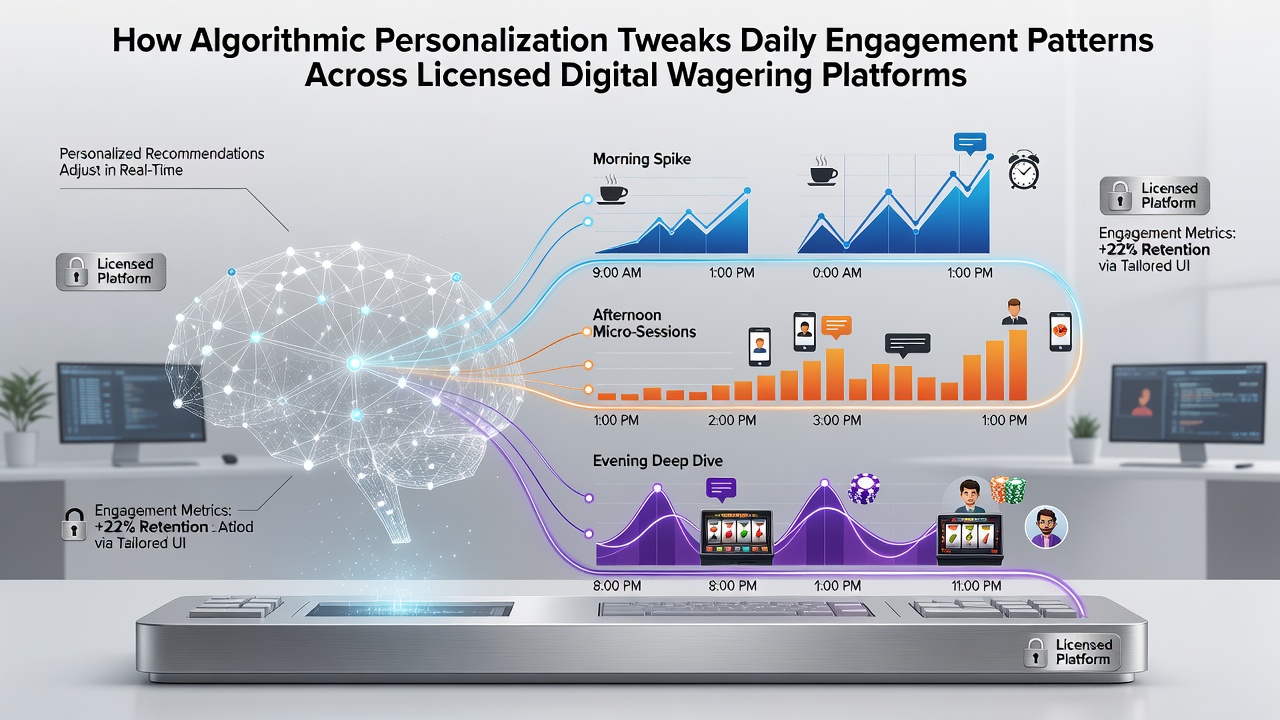
Algorithmic personalization operates through data analysis that tracks player behavior across sessions, including game selections, bet sizes, and login times, then modifies content delivery to align with observed preferences. Licensed platforms apply these systems to adjust recommendations, bonus offers, and notification schedules, which influences when users return and how long they remain active. Data from multiple jurisdictions shows these adjustments correlate with shifts in daily participation rates, particularly during evening hours in North American markets and midday periods in European ones.
Core Mechanisms Behind Personalization
Platforms collect inputs such as previous wager amounts, preferred game categories, and device usage patterns, then feed them into machine learning models that predict optimal engagement windows. These models segment users into groups based on activity frequency, so frequent players receive targeted game suggestions while occasional users see promotions tied to deposit incentives. Research from the University of Nevada Reno indicates that such segmentation can extend average session durations by aligning offers with historical peak activity times.
Notification timing forms another layer, where algorithms delay or advance push alerts depending on individual response rates recorded over prior weeks. In October 2026, several operators reported refined alert systems that reduced user opt-outs by matching delivery to time zones where engagement had previously spiked. This approach connects directly to broader patterns, since synchronized timing across regions supports steadier platform traffic without overwhelming any single market.
Daily Pattern Adjustments Observed in Practice
Engagement metrics reveal that personalized interfaces often steer users toward games they have played before, yet they also introduce variations to prevent repetition fatigue. One study tracked participants who received customized slot recommendations and noted increased returns during previously low-activity morning slots, while evening play remained stable. These shifts occur because the system prioritizes content that matches both past success and current availability of progressive jackpots or time-limited events.
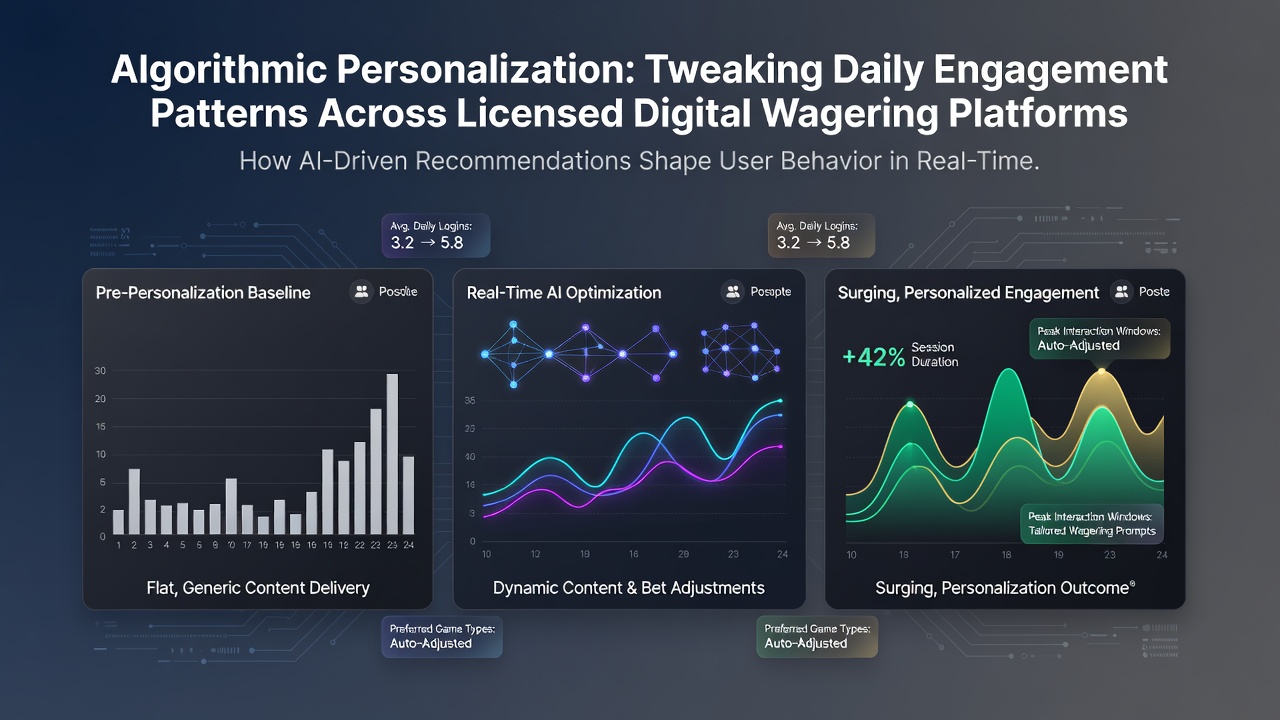
Session length data from Canadian provincial regulators further illustrates how interface tweaks affect behavior. When platforms highlight games based on recent wins or near-misses for individual accounts, users tend to extend time spent within a single category rather than switching between multiple options. Observers note this creates clustered activity bursts instead of evenly distributed play throughout the day, particularly among users who log in after work hours.
Regional Differences and Regulatory Context
European markets demonstrate distinct responses compared with North American ones, partly because of varying rules on bonus frequency and data usage. Platforms licensed in Malta or the Isle of Man apply stricter limits on personalization depth, which results in subtler recommendation changes that still influence return rates but with smaller daily swings. In contrast, operators under the New Jersey Division of Gaming Enforcement have documented more pronounced adjustments, where real-time interface updates during live events correlate with measurable spikes in participation.
Australian research institutions have examined similar systems and found that personalization tied to loyalty tier levels can shift engagement from weekend peaks toward midweek sessions for higher-tier users. This redistribution happens through targeted free spin offers delivered at times when historical data shows lower baseline activity, creating steadier revenue streams across the week. Such findings align with patterns reported in global industry summaries that track cross-platform user migration.
Links to Broader Platform Metrics
Daily engagement changes also intersect with progressive jackpot networks, where algorithms prioritize displays for users who have previously contributed to pooled prize pools. This selective highlighting can increase logins during rollover periods, especially when combined with personalized countdown timers. Evidence from aggregated platform reports suggests these tactics maintain consistent traffic even as overall user bases fluctuate seasonally.
Those who monitor regulatory filings note that operators must disclose certain personalization parameters to oversight bodies, which adds transparency requirements without halting the underlying data processes. In October 2026, updates to reporting standards in several U.S. states incorporated metrics on how algorithmic changes affect session distribution, providing clearer baselines for future comparisons.
Conclusion
Algorithmic personalization continues to modify daily engagement by refining content delivery, timing, and reward structures based on accumulated user data. Licensed platforms apply these tools within regulatory boundaries that differ by jurisdiction, resulting in measurable but varied effects on session timing and duration. Ongoing data collection from operators and academic sources supplies the foundation for understanding these dynamics as systems evolve.